
Soft Stool in Dogs: Diet History and Next Steps
Learn what to record when your dog has soft stool, how feeding changes fit into the history, and when to seek veterinary advice.
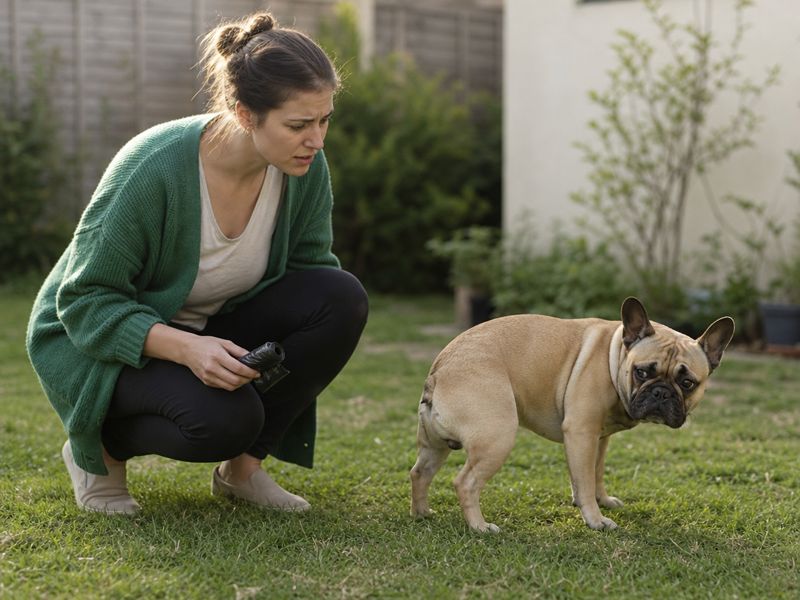
Illustrative photo, not a real customer.
What it can be a sign of
Short-lived loose stool commonly comes from eating something outside the normal diet, switching to a new food too quickly, stress, or parasites. Loose stool that keeps coming back can point to something longer-term that needs your vet.
“Sensitive stomach” is a label, not an answer. Most dogs with one have a trigger that can be found.
How it connects to the bowl
Two diet triggers account for a lot of upset stomachs. The first is a fast change of food. The second is the extras: rich treats, table scraps, a new chew, something found on a walk.
If the loose stool follows a pattern, such as the day after a certain treat, the bowl is giving you the answer.
What may be missing or overdone
Overdone: variety and richness. A different treat every day is hard on some dogs. Missing: a slow changeover when the food changes, and in some routines any digestive support at all.
What can help
Change foods gradually over about a week, mixing the new into the old. Hold the extras steady, or stop them for a few days and bring them back one at a time. Keep fresh water available.
Vets sometimes send dogs home with a probiotic to help restore balance in the gut. Ask yours whether one suits your dog.
It is rarely just soft stool
Gas, a rumbling belly, eating grass, scooting and a patchy appetite often come with it. Blood in the stool, vomiting, a dog who seems unwell, or loose stool lasting more than a day or two needs a vet. With puppies and small dogs, do not wait.